
Essential Home Renovation Tips for a Better Living Space
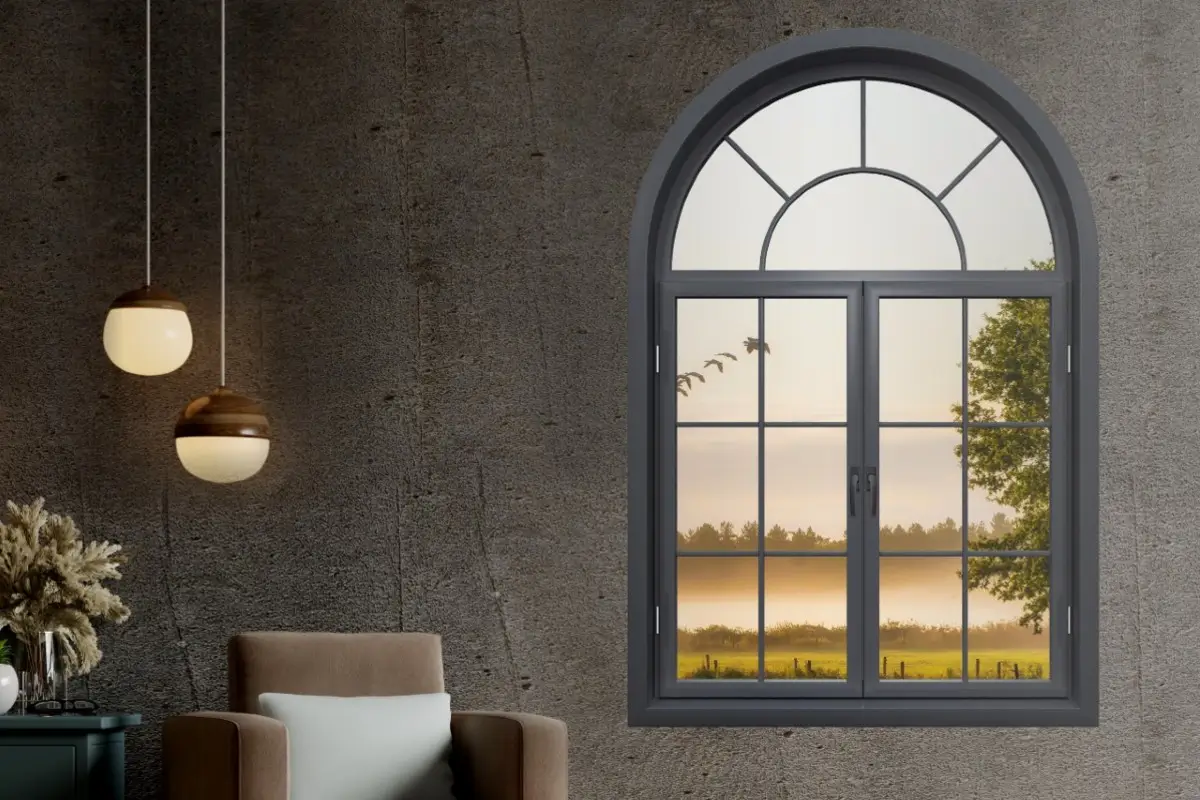
Renovating your home is an exciting opportunity to create a space that reflects your lifestyle, comfort, and personal preferences. However, with countless design choices, materials, layouts, and planning decisions involved, the process can quickly become overwhelming. From selecting the right colour palette to choosing durable materials and designing functional spaces, every detail contributes to the success of a renovation project.
A well-planned renovation does much more than improve the visual appeal of your home — it enhances the way you live every day. Thoughtfully designed spaces can increase comfort, improve natural lighting, create better ventilation, optimize storage, and make daily living more organized and enjoyable. On the other hand, poor planning often leads to common mistakes such as overspending on short-term design trends, ignoring practical requirements, compromising functionality for appearance, or underestimating renovation costs.
With the right home renovation ideas in India and a strategic approach, you can transform your living space efficiently while avoiding costly mistakes. Whether you are planning a small upgrade, room renovation, modern makeover, or complete home transformation, understanding the right design principles and renovation practices can make the entire process smoother, more rewarding, and far less stressful.
Smart Renovation Planning: Laying the Right Foundation
Before starting any renovation work, having a well-structured plan is essential. The planning phase is one of the most important aspects of a successful home renovation, as it influences every design choice, budget decision, and execution step throughout the project.
Identify Your Style and Renovation Goals
Begin by establishing a clear idea of how you want your renovated space to look and feel. Whether you prefer a sleek modern aesthetic, a minimalist design, or a warm and traditional atmosphere, defining your style early helps create a consistent design direction throughout the project.
You can create a mood board using Pinterest, interior design references, or magazine inspirations to better visualize your preferences. This visual reference will also help designers and contractors understand your expectations more accurately.
Budget Planning for Your Renovation
Creating a realistic budget is one of the most important aspects of any renovation project. Begin by researching the estimated costs of materials, labour, fittings, and any required approvals or permits to avoid unexpected expenses later.
Prepare a Detailed Expense List
Make a comprehensive list of all anticipated costs, including major elements such as flooring, windows, furniture, and lighting, along with smaller details like paint, hardware, and accessories.
Compare Multiple Quotations
When hiring contractors, designers, or suppliers, obtain multiple quotations to compare pricing, quality, and services before making a decision.
Keep a Contingency Fund
Unexpected challenges are common during renovations, so it is advisable to allocate an additional 10–20% of your overall budget as a contingency reserve. This financial buffer helps manage unforeseen costs without disrupting the project.
Set Realistic Timelines
Home renovations often take more time than initially expected due to factors such as material delays, labour availability, or unforeseen structural challenges. Work closely with your contractor or project team to establish practical timelines that include flexibility for unexpected situations.
Renovation projects require patience, proper planning, and realistic timelines. Rushing the process often leads to costly mistakes, compromised workmanship, and unsatisfactory results.
Common Renovation Mistakes
Even well-planned renovation projects can encounter unexpected challenges. Understanding common mistakes and potential pitfalls in advance can help you make better decision:
- Underestimating the Budget: Failing to include a contingency reserve for unexpected expenses can lead to financial strain during the renovation process.
- Ignoring Building Regulations: Overlooking necessary approvals and permits may result in legal complications, project delays, or penalties.
- Prioritizing Aesthetics Over Functionality: While trendy designs may appear attractive initially, they may not always support long-term practicality and everyday comfort.
- Making Quick Decisions: Rushing decisions related to layouts, materials, or finishes can often lead to dissatisfaction and costly changes later.
- Neglecting Ventilation: Proper airflow is essential, particularly in kitchens and bathrooms, to maintain comfort and prevent moisture-related issues such as mould and mildew.
Conclusion:
Home renovation is an excellent opportunity to enhance your living space by improving both functionality and aesthetics. With thoughtful planning and the right renovation ideas, you can create a home that is modern, practical, and visually appealing. Incorporating elements such as aluminium glass doors, aluminium bathroom doors, and sliding window systems can add a contemporary touch while ensuring durability and long-term performance.
A successful renovation is all about maintaining the right balance between style and functionality, modern trends and timeless design, as well as creativity and practical planning. By avoiding common renovation mistakes, focusing on solutions that improve everyday comfort, and approaching each stage with a clear strategy, you can achieve a smooth and rewarding renovation experience that transforms your home into a space you will enjoy for years to come.